Gen Z and Influencer MarketingTrends
4 min
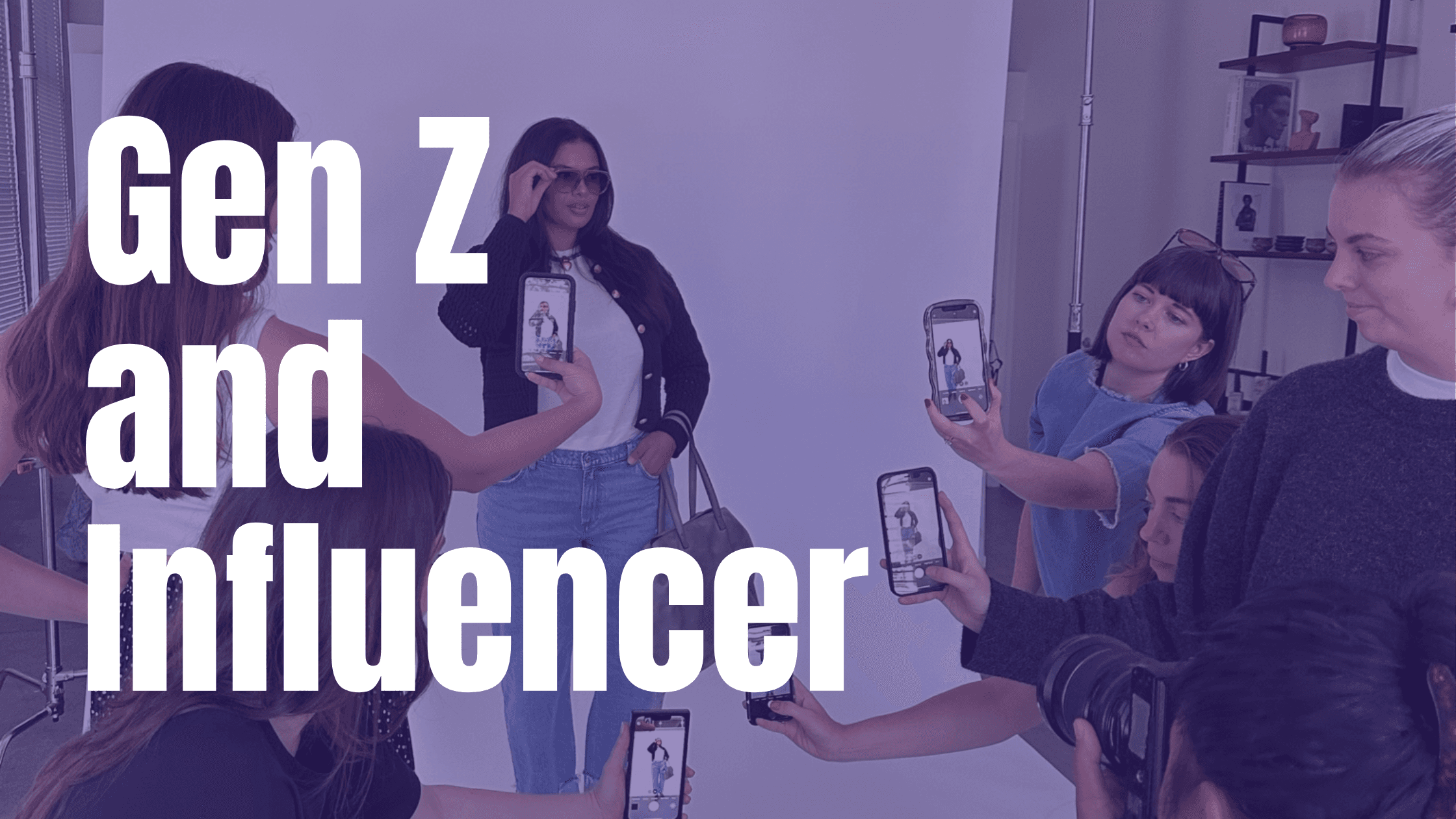
Influencer marketing is no longer just about glamorous photos and celebrity endorsements. In 2025, Generation - Z digital natives born between the late 1990s and early - 2010sis setting the new rules. This generation has grown up with social media, and their expectations are reshaping how brands choose influencers, create campaigns, and measure success.
Here’s a closer look at how Gen Z is redefining influencer marketing:
Authenticity Rules
Gen Z values realness over perfection. Unlike the early Instagram era, where heavily filtered photos dominated, today’s young audience prefers influencers who share unpolished, everyday moments. A creator admitting they had a bad day or showing the behind-the-scenes of a product launch often resonates more than a perfectly staged ad.
Example: A skincare brand collaborating with an influencer who shows their “before and after” journey with acne treatment will feel far more genuine than a celebrity posing with flawless skin.
Trust in Smaller Voices
Gen Z doesn’t automatically trust big numbers. In fact, many prefer following micro- and nano-influencers with smaller but more engaged communities. These creators often reply to comments, share personal stories, and foster real conversations. For their followers, product recommendations feel like tips from a friend.
Insight: Brands are shifting budgets choosing five smaller influencers with loyal communities over one mega-influencer with millions of passive followers.
Values Drive Choices
Gen Z is the first generation to consistently tie consumer behavior to personal values. They want influencers and brands to stand for something: sustainability, inclusivity, mental health awareness, or social justice. Campaigns that feel disconnected from these values risk being ignored or even called out publicly.
Example: Fashion brands that showcase diverse body types and work with influencers who advocate body positivity are more likely to win Gen Z loyalty.
Platforms That Matter
TikTok remains the powerhouse for Gen Z, but Instagram Reels and YouTube Shorts are gaining momentum. What these platforms have in common is short-form, interactive content. Gen Z doesn’t just want to scroll; they want to engage through polls, live Q&As, or challenges they can participate in.
Trend: Co-created content, where influencers invite their followers to share experiences or test products, creates a stronger sense of community.
Redefining Success
Gone are the days when success meant counting likes or impressions. For Gen Z, the real measure is trust and long-term connection. Brands are starting to track engagement quality, repeat interactions, and loyalty over time. A viral campaign may bring quick attention, but consistency and authenticity build staying power.
Insight: A brand that works with the same influencer for multiple campaigns creates familiarity, which Gen Z sees as proof of a genuine partnership.
Gen Z is not just a demographic segment; they are cultural architects shaping the future of digital marketing. Their focus on authenticity, values, and meaningful engagement is rewriting the rules of influencer strategy. Brands that listen and adapt will not only capture Gen Z’s attention but also earn something far more valuable: their trust and loyalty.
Key takeaway for brands in 2025: Be real, partner with voices that align with your values, and prioritize community over vanity metrics. That’s the formula to win Gen Z.


